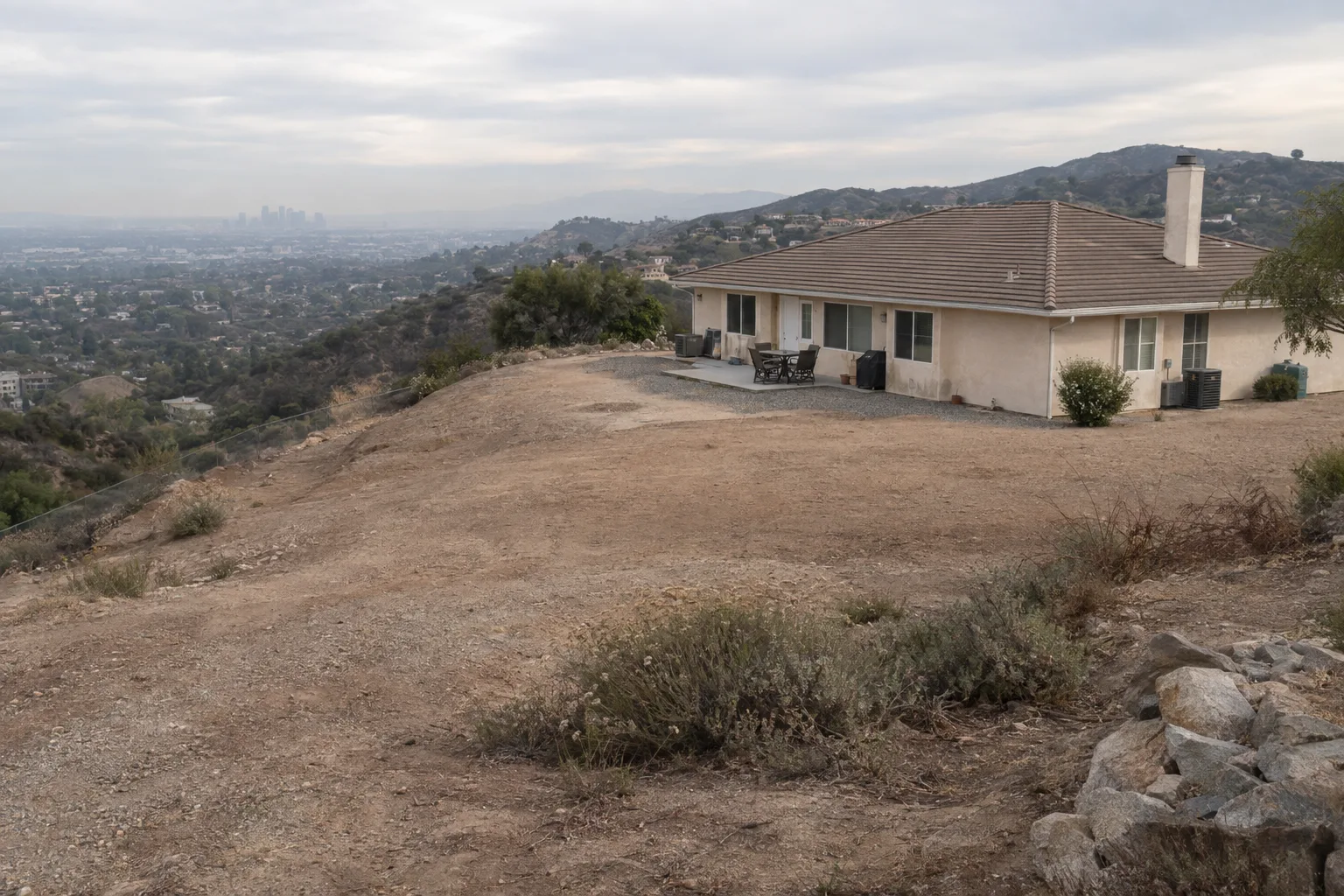
CAL FIRE Defensible Space Requirements for Los Angeles Homeowners: Zones, Rules & What to Plant
Zone-by-zone guidance on clearance rules and fire-resistant plants for hillside communities across Greater Los Angeles.
- Zone 0, 1 and 2 explained in plain language
- What an inspector actually looks for on the walk
- Clearing that holds the slope instead of stripping it
Get a free quote
Tell us where the property is and we will walk it with you.
California's Defensible Space Rules Tell You to Clear. Here's What That Actually Means
CAL FIRE (California Department of Forestry and Fire Protection) requires 100 feet of defensible space around every home in a fire-risk area. Most homeowners understand the headline. What they don't understand is what counts as a hazard, what's allowed to stay, and how to replant compliantly after clearing.
This guide breaks it down zone by zone. No code language. Just what you need to know before an inspector walks your property.
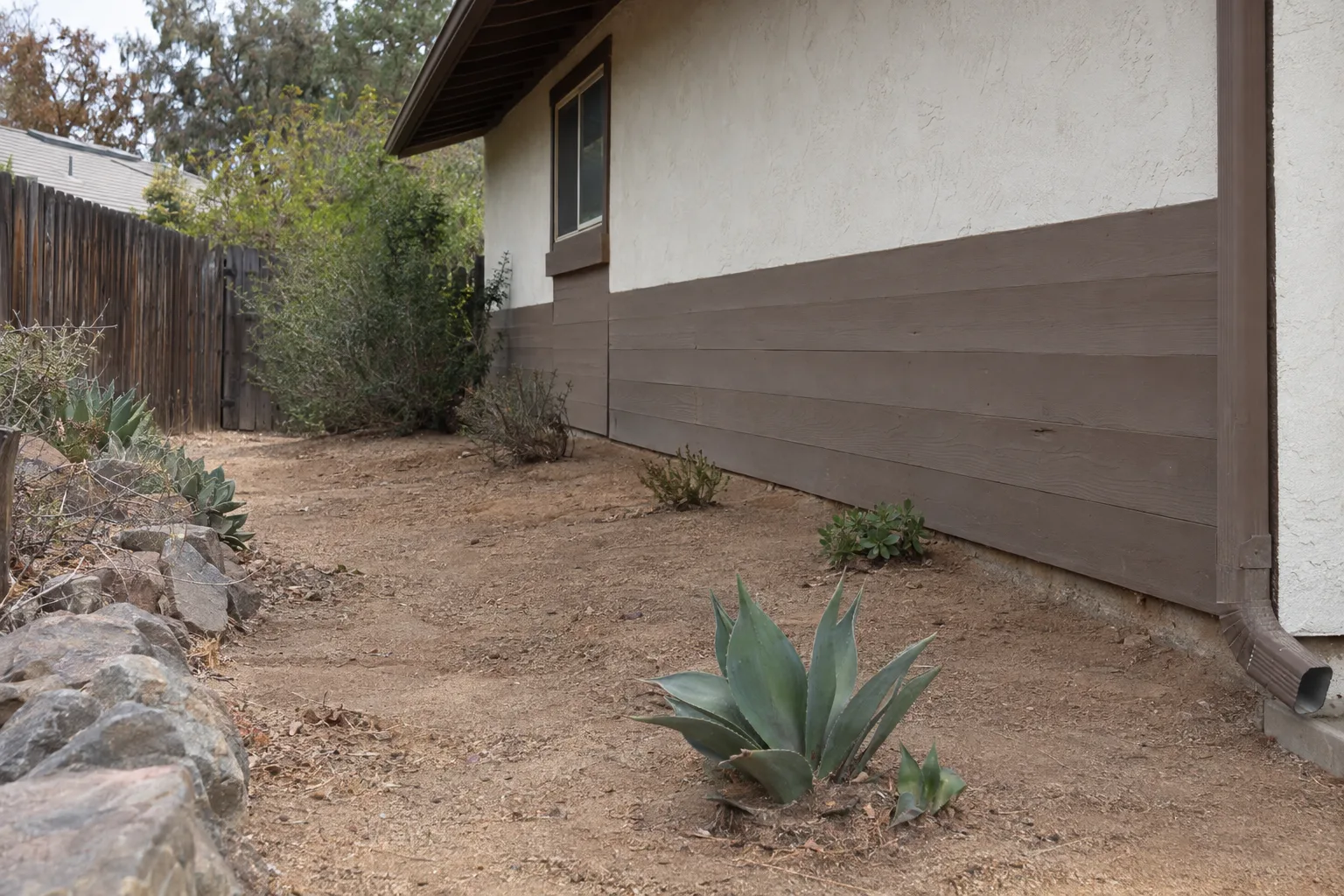
Why This Matters More in Los Angeles Than Almost Anywhere Else
Greater Los Angeles has more homes in fire-risk zones than any other metro in the country. That's not a dramatic claim, it's a land-use reality.
Communities including Chatsworth, Altadena, Santa Clarita, Simi Valley, and Rancho Palos Verdes sit inside what CAL FIRE designates as Wildland-Urban Interface (WUI) zones, areas where residential development and wildland vegetation directly intermix. WUI zone properties face elevated fire risk and stricter clearance standards than typical suburban homes. For homeowners navigating these requirements across varying terrain, understanding LA hillside and valley microclimate differences can help clarify how location affects what's required on your specific property.
Here's what most homeowners don't realize about the WUI designation: it doesn't just describe where your home is. It determines which agency has jurisdiction over your property's fire compliance. Properties in a State Responsibility Area (SRA), land where CAL FIRE, not a local agency, handles fire protection, face mandatory annual inspections and can be cited for non-compliance.
Los Angeles's Mediterranean climate makes this especially relevant. The region's wet winters produce dense vegetation growth. Then a dry summer follows, and that same vegetation turns into fuel. Santa Ana wind events arrive in fall, and a single ember can travel over a mile. The cycle repeats every year.
Your defensible space is the one variable you can actually control.
The Three Zones: What Each One Requires
CAL FIRE divides the 100-foot requirement into three distinct zones, each with its own rules. Understanding where each zone starts and ends on your property is the foundation of compliance. Here is what each zone covers.
Zone 0. The Ember-Resistant Zone (0 to 5 Feet)
This is the five-foot perimeter immediately surrounding your home's foundation, deck, and attached structures.
Most homes ignite from embers, not from direct flame contact. Embers from a fire miles away land in debris accumulated against your home's exterior, and that's where ignition begins. Zone 0 exists to address this directly.
What must go:
- ✕ Combustible mulch (wood chips, bark) within five feet of the structure
- ✕ Dead plant material, leaf litter, and dry debris against the home
- ✕ Woodpiles stored against walls
- ✕ Plastic planters, doormats, and outdoor furniture placed directly against the structure
What's allowed:
- ✓ Non-combustible ground cover: decomposed granite, gravel, pavers, or concrete
- ✓ Irrigated, low-fuel succulents (with low volatile oil content) maintained to stay moist
- ✓ Potted plants that are actively irrigated and separated from the structure
Zone 0 is the zone homeowners most consistently underestimate. A planted yard can exist in Zones 1 and 2, but Zone 0 must prioritize ignition prevention above aesthetics.
Zone 1. Lean, Clean, and Green (0 to 30 Feet)
Zone 1 extends from the structure outward to 30 feet. CAL FIRE uses the phrase "lean, clean, and green", meaning vegetation here should be well-spaced, maintained, low-fuel, and actively irrigated.
What must go:
- ✕ Dead vegetation and dried annual grasses
- ✕ Tree branches hanging within 10 feet of a chimney or stovepipe
- ✕ Limbs within six to ten feet of the ground (to prevent ground fire from climbing into the canopy)
- ✕ Plants with heavy resin, oil, or volatile compound content, including commonly planted ornamentals like rosemary, juniper, and Italian cypress
What inspectors look for beyond plant type:
- ● Ladder fuels, the vertical continuity between ground-level plants and tree canopies. Even compliant plant species can create problems when planted in a vertical chain that allows fire to climb.
- ● Spacing between plants. Zone 1 requires horizontal gaps between shrubs. Exact spacing depends on slope; steeper terrain requires wider gaps.
What's appropriate to plant in Zone 1:
For Zone 1 replanting, focus on drought-tolerant plants approved for fire-risk zones that combine low fuel content with reliable establishment in Southern California soils:
- ✓ Ceanothus (California lilac), native, low resin, deep-rooted
- ✓ Salvia (native species like Salvia leucophylla or Salvia apiana), low volatile oils when properly selected
- ✓ Agave, extremely high moisture content, slow to combust
- ✓ Toyon (Heteromeles arbutifolia), California native, CAL FIRE listed
- ✓ Rockrose (Cistus species), a useful option, though variety selection matters given differing resin levels across the genus
Zone 2. Reduced Fuel Load (30 to 100 Feet)
Zone 2 extends from 30 feet to 100 feet out from the structure, or to the property line if closer.
The goal here isn't elimination, it's fuel reduction and spacing. Trees can remain, but they need to be managed. Ground cover matters. Continuity of fuel matters.
Key requirements:
- ● Remove all dead plant material
- ● Create separation between plant groups, no continuous path of vegetation that flame can travel along
- ● Keep grass cut to four inches or shorter
- ● Remove lower limbs from trees to a height of six to ten feet (depending on slope), professional tree trimming and removal near structures ensures this is done correctly without stressing established trees
- ● Dispose of all green waste, cleared material should not accumulate on-site
One detail worth noting: Zone 2 requirements increase on slopes. On slopes greater than 40 percent, clearance standards become more aggressive, and horizontal spacing requirements between individual plants widen. Hillside communities like Rancho Palos Verdes and Altadena should not apply flat-ground standards to their properties.
Three Scenarios That Play Out Differently Than Homeowners Expect
The rules are clear on paper, applying them to a real property takes some translation. Here's how three common situations actually unfold.
The yard that passed visual review but still had a citation risk.
A homeowner in Chatsworth cleared obvious brush in Zone 1. The mature juniper along the front walkway stayed, it looked healthy, and the assumption was that healthy plants are compliant plants. Juniper has high resin content and carries flame readily. It's one of the most frequently flagged Zone 1 species in Los Angeles hillside communities. Removing it and replacing with a low-fuel native resolved the concern.
The replanted Zone 1 that created new spacing issues.
After clearing Zone 1, a homeowner in Santa Clarita replanted with drought-tolerant species, a practical choice for LA's climate, but the plants were placed eight inches apart in a continuous mass. Even fire-resistant species create a fuel path when planted without adequate horizontal gaps. The fix isn't fewer plants, it's correct spacing informed by slope grade. Scheduling seasonal yard cleanup before CAL FIRE inspection season is an effective way to catch these issues before an inspector does.
The Zone 0 detail that needed attention.
A property in Simi Valley had a well-maintained Zone 1. Zone 0 had a wood chip mulch bed running directly against the foundation, a detail easy to overlook when the rest of the yard looks good. That mulch is one of the most common ember ignition points on any property. Replacing it with decomposed granite along the foundation perimeter resolved the issue and improved drainage in the clay soil common to that area.
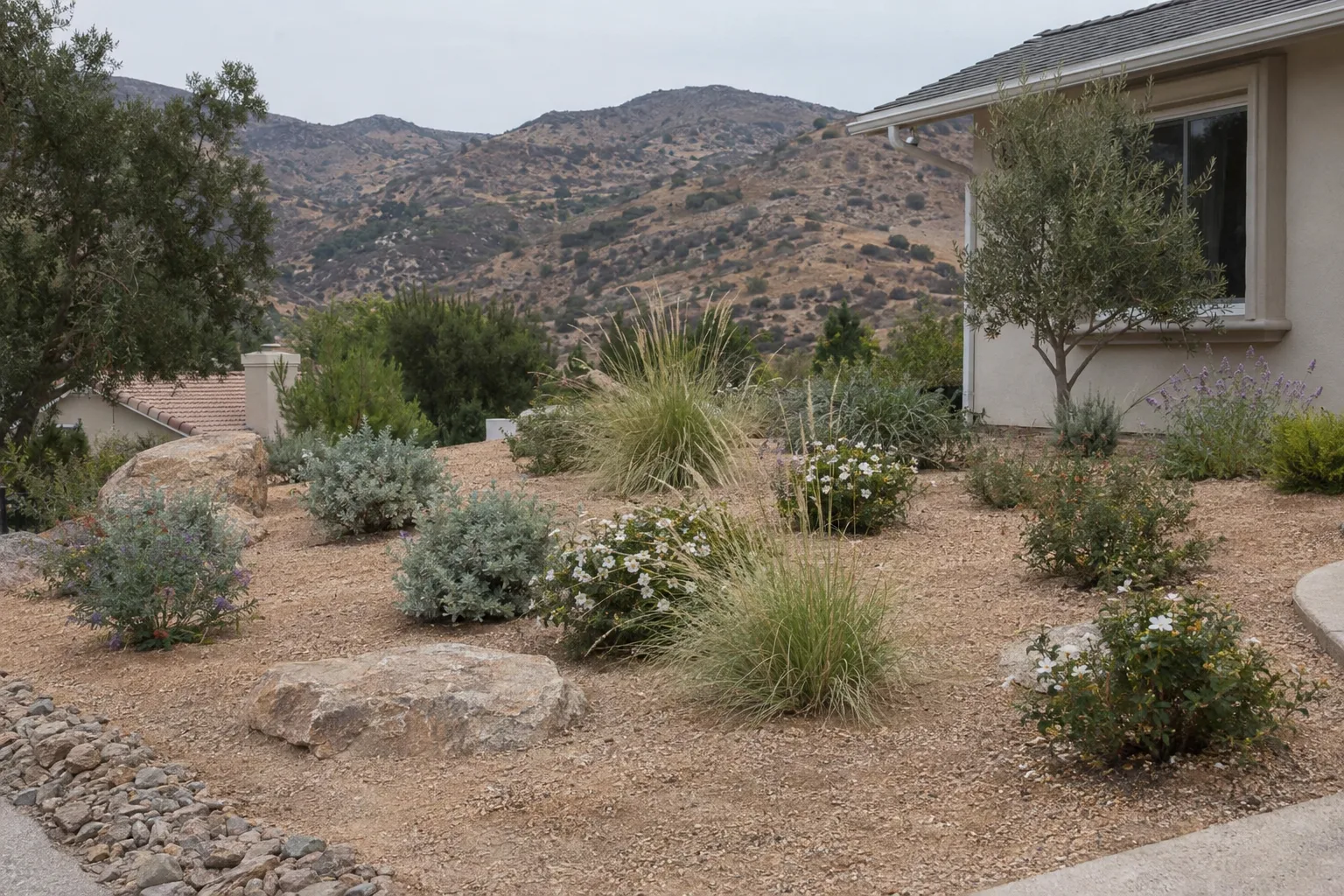
What a Decade Working in These Communities Has Taught Us
Defensible space work looks simple from the outside, it gets specific fast once you're on the ground.
Walking properties in Altadena, Chatsworth, Simi Valley, and Rancho Palos Verdes after fire clearance inspections shows a consistent pattern. Homeowners understand the intent. What's harder to translate are the specifics: the rules describe categories, not plant names. "Remove high-fuel vegetation" doesn't tell you whether your rosemary stays or goes. It goes, rosemary has volatile oils and ignites readily despite being drought-tolerant and visually appealing. "Lean, clean, and green" doesn't distinguish between a compliant ceanothus planting and the same planting two years later, dense and unmanaged after a wet winter.
Defensible space is a living system, not a one-time clearance. The communities around the Santa Monica Mountains and the Verdugos see two to three feet of plant growth in a single wet winter. A yard that passed inspection in March can fall out of compliance by October without maintenance through the growing season.
The goal is a managed yard, one where the right plant selection does the ongoing work without starting from scratch every year.
The Landscapers LA Team, serving Greater Los Angeles since 2015
When to Bring in a Professional
Professional assessment adds the most value when a property has a slope, mature trees, or Zone 1 replanting needs.
Flat properties with straightforward vegetation can often be addressed using the zone framework above. Several situations benefit from an experienced eye on-site. Our fire-safe landscaping services in Los Angeles are designed specifically for these situations, bringing local knowledge of WUI communities, slope-adjusted clearance standards, and compliant plant selection to every property assessment.
Slope changes the math
Spacing and clearance requirements in Zone 2 shift above 20 percent grade and again above 40 percent. Calculating correct spacing across a real hillside, accounting for actual slope variation across different parts of the yard, takes field experience.
Mature trees need selective limbing
Mature trees in Zone 1 need selective limbing, not removal. Knowing which limbs to take and how high to lift the canopy without stressing the tree is a judgment call. Incorrect pruning can weaken established trees during LA's dry summers.
Replanting after clearance
Replanting after clearance is where the local knowledge matters most. Which species establish reliably in Simi Valley versus Rancho Palos Verdes, those are different soils, different wind exposure, different rainfall, determines whether a compliant yard stays compliant or needs clearing again in two years.
Communities We Serve in the Greater Los Angeles Area
The Landscapers LA serves WUI communities throughout Greater Los Angeles. Our service area includes Chatsworth, Simi Valley, Santa Clarita, Altadena, and Rancho Palos Verdes, along with Burbank, Pasadena, Glendale, Santa Monica, Long Beach, Torrance, Whittier, Thousand Oaks, Moorpark, Oxnard, Ventura, and communities throughout the Inland Empire including Riverside, Rancho Cucamonga, and San Bernardino.
Start With a Property Walk, Then a Plan
A compliant defensible space starts with knowing exactly where each zone falls on your specific property.
If you've received a fire clearance notice, or want to get ahead of inspection season, the first step is a site assessment. From there, we identify what needs to go, what can stay, and what fire-resistant planting makes sense for your microclimate and HOA requirements.
Call The Landscapers LA at 323-792-0166 or email in**@*************la.com to schedule your property assessment. Our office is located at 465 N Rodeo Dr, Beverly Hills, CA 90210, and our crews serve hillside communities throughout Greater Los Angeles.
Ready to Get Started?
Contact us today for a free consultation.
Before and after
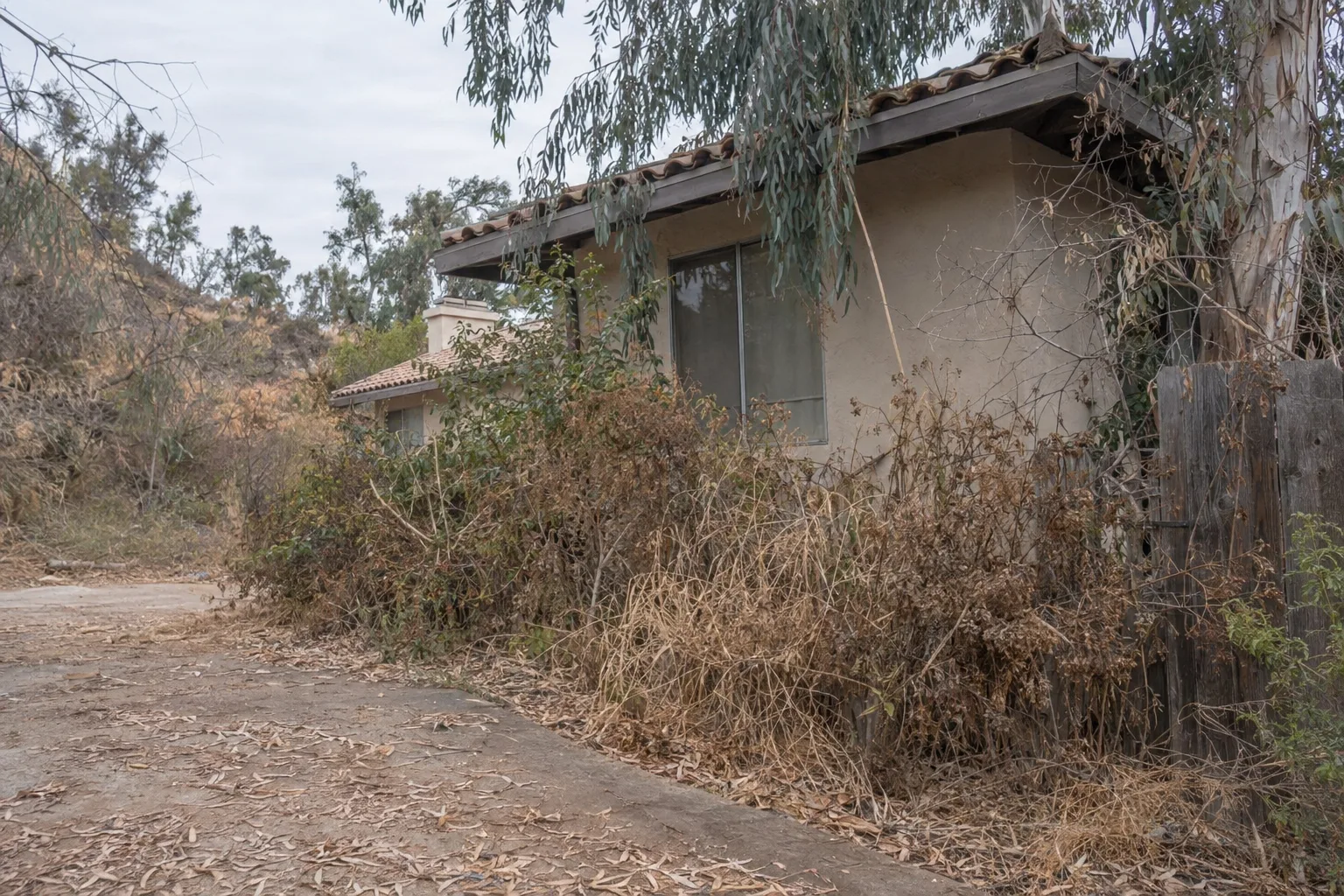
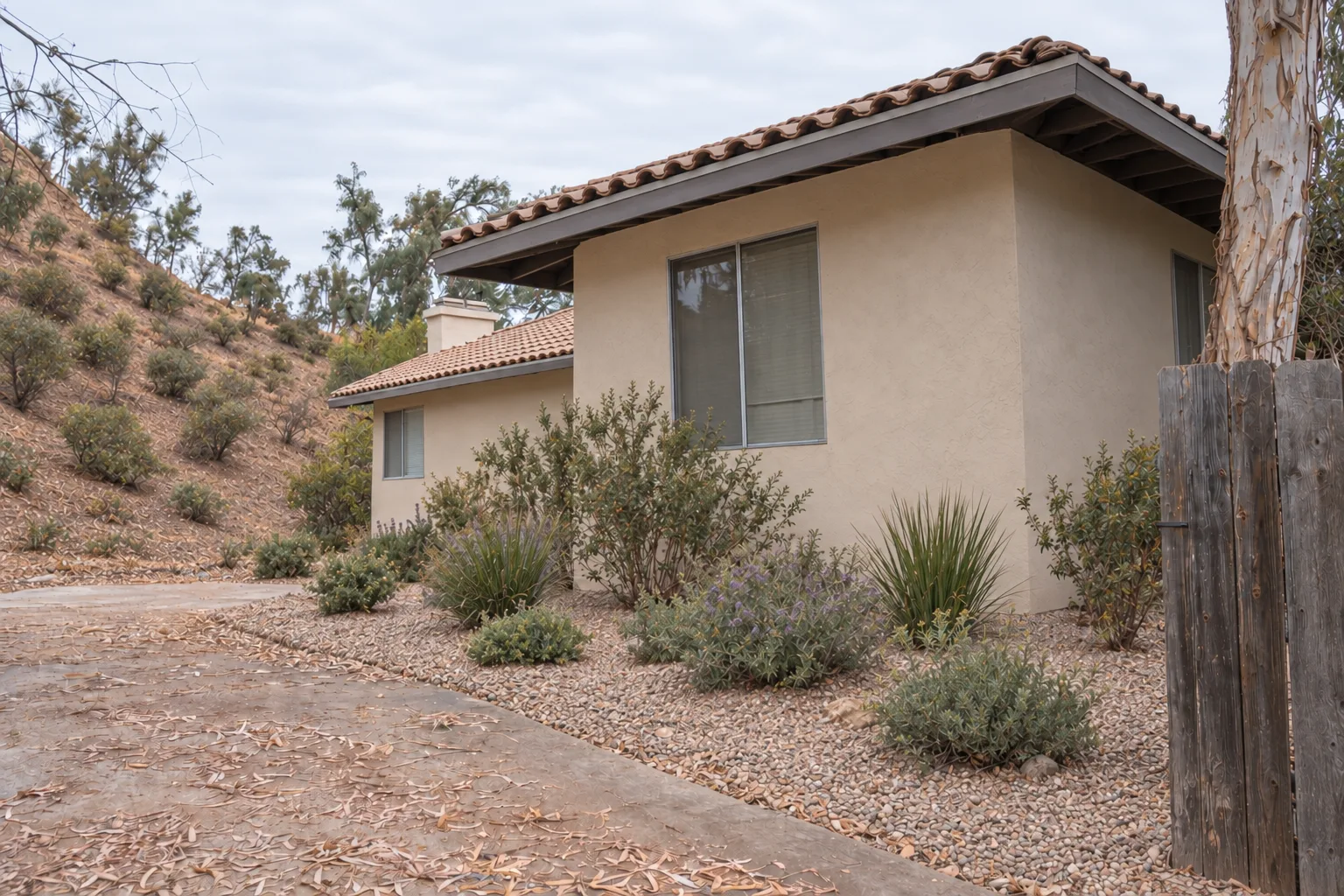
Get a free, no-pressure quote
We walk the property, talk through options, and put a real number on paper.
From our blog
Straight answers on what things cost, which rebates you qualify for, and why your lawn is doing that.
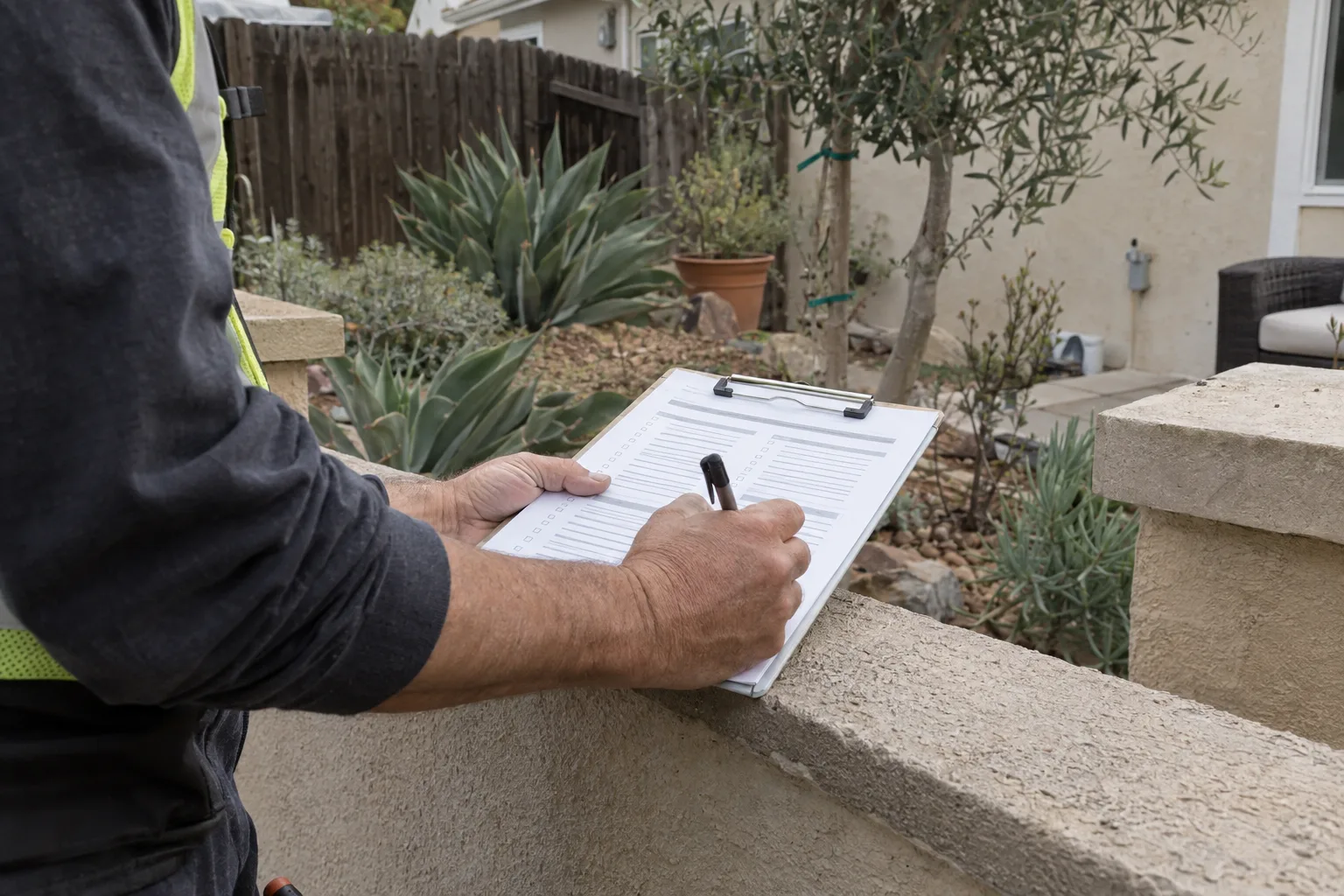
Licensed vs Unlicensed Landscapers
How to verify a CSLB licence, what insurance actually covers, and the questions to ask before you let anyone start work on your Los Angeles property.
Read the guide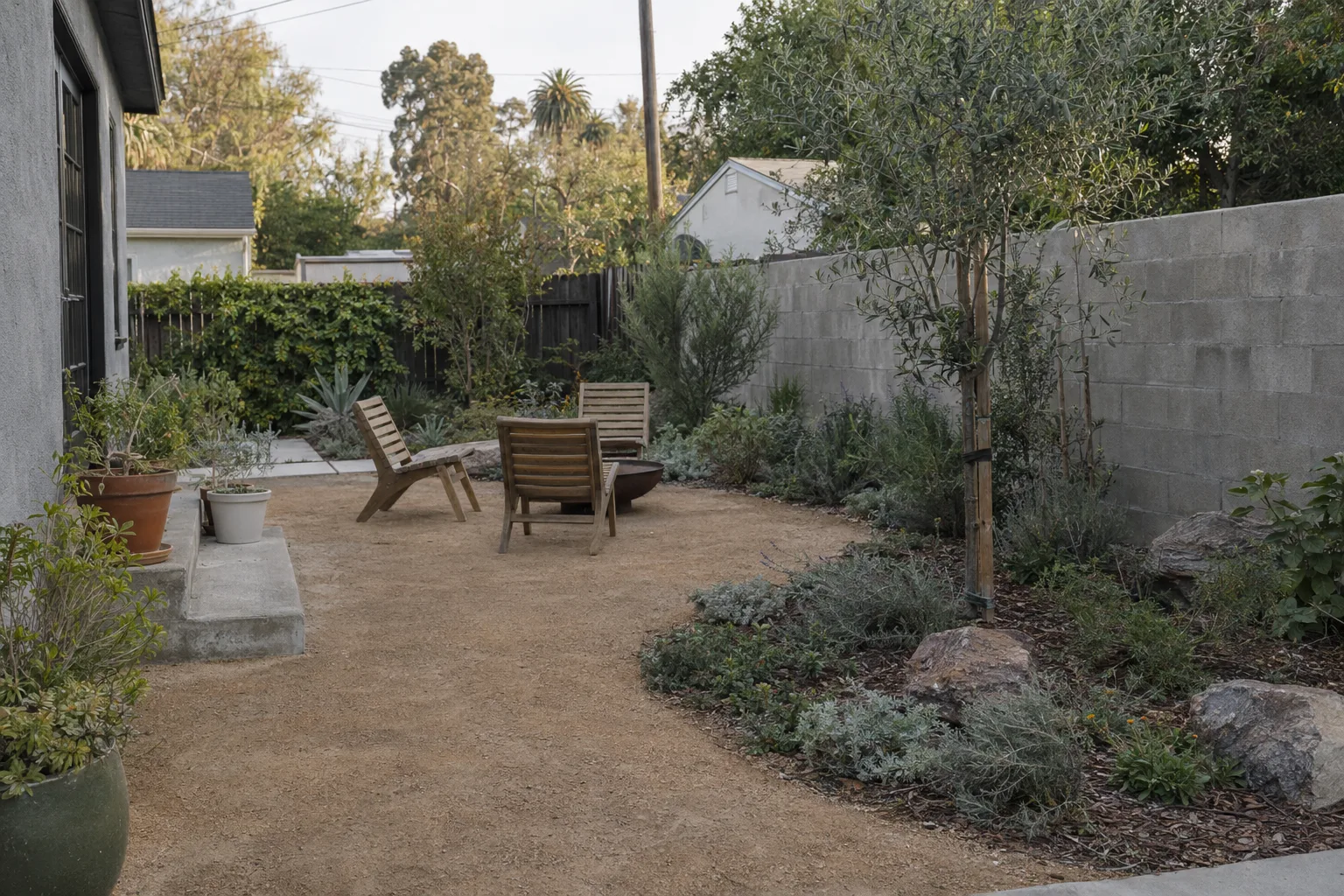
What Does Landscaping Cost in Los Angeles?
Real price ranges for lawn care, design, hardscape, irrigation and turf removal in Los Angeles, plus what actually moves the number on a quote.
Read the guide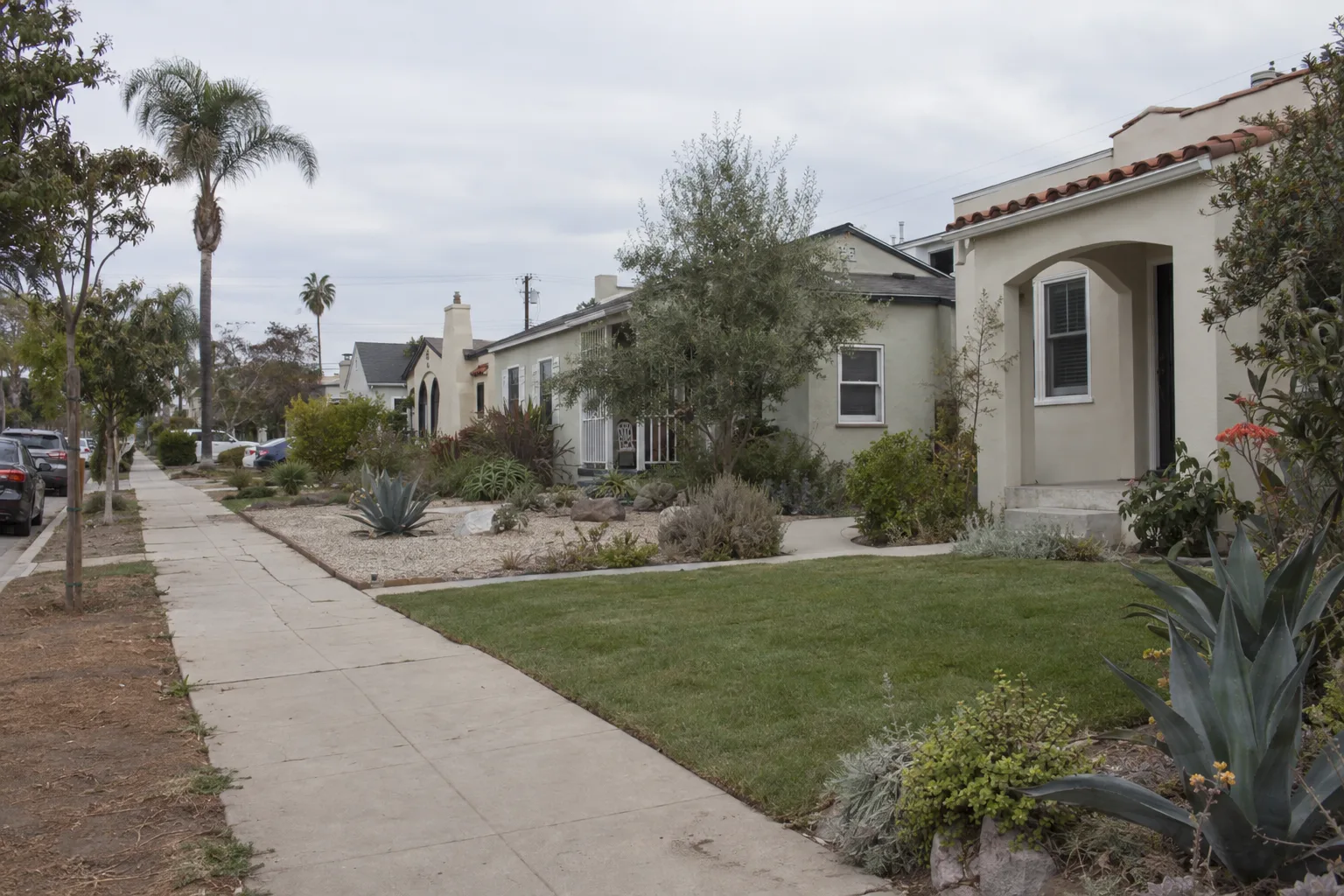
Landscaping by LA Microclimate
Coastal, valley, hillside and Inland Empire properties need different plants, soil prep and irrigation. What changes across Greater LA, and why it matters.
Read the guide
Artificial Turf vs Drought-Tolerant
Cost, heat, drainage, pets, resale and rebates compared for Los Angeles yards, so you can tell which of the two actually suits your property.
Read the guide