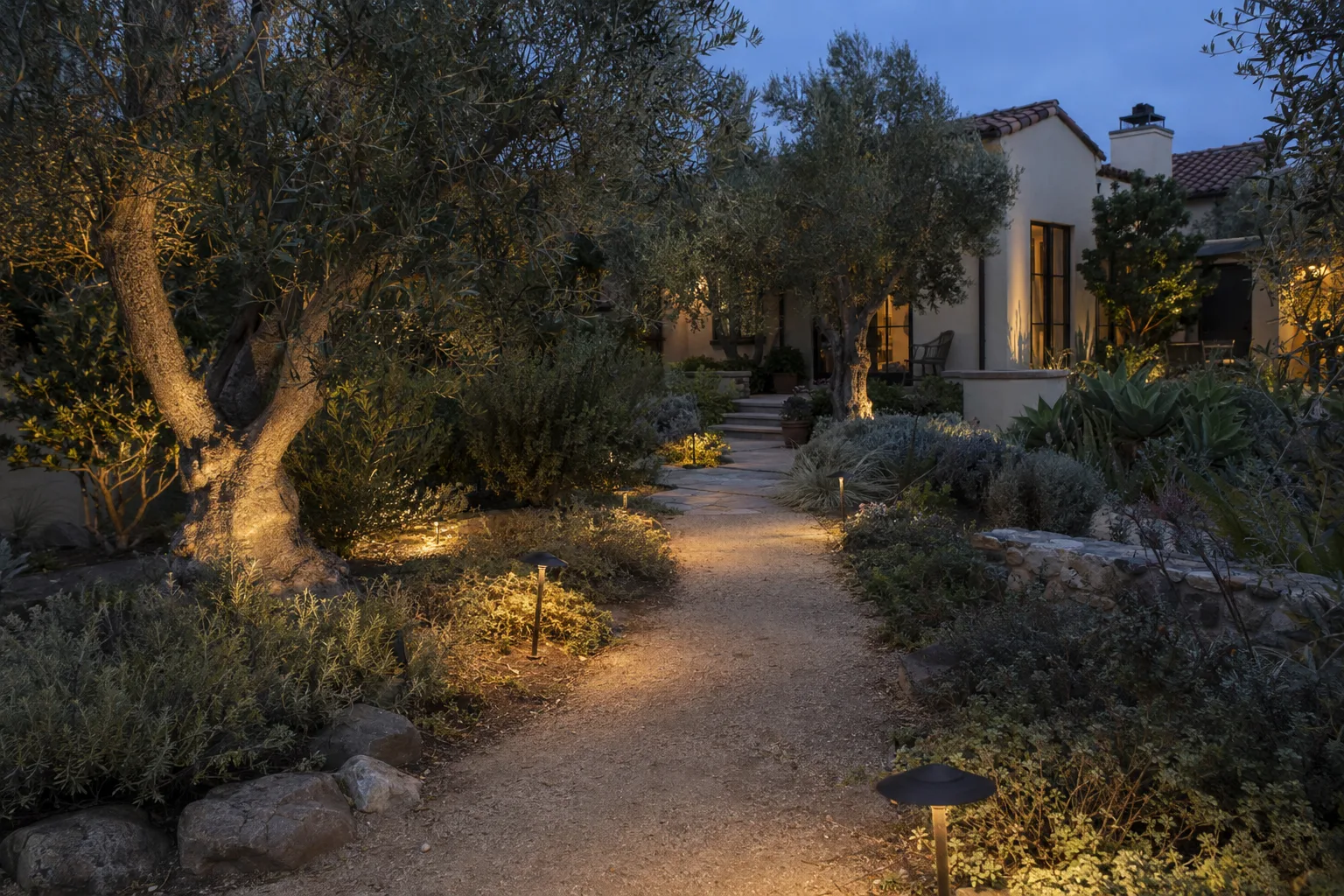
San Fernando Valley Landscaping in Los Angeles
San Fernando Valley landscaping built for the heat, the soil, and the water restrictions that Valley homeowners and property managers deal with every season.
- Lawn care, irrigation, and drought-tolerant design
- Hardscape, sod, and full outdoor transformations
- Licensed, insured, and working the Valley since 2015
Get a free quote
Tell us where the property is and we will walk it with you.
What San Fernando Valley landscaping actually involves
San Fernando Valley landscaping covers everything from weekly lawn maintenance to full property transformations. The Valley's climate runs hotter and drier than coastal LA, which means plant selection, irrigation design, and turf choices all need to account for triple-digit summer temperatures and strict water schedules. The Landscapers LA has been working Valley properties since 2015, and we design every project around conditions on the ground, not a generic Southern California template.
The Valley Is Its Own Landscaping Environment
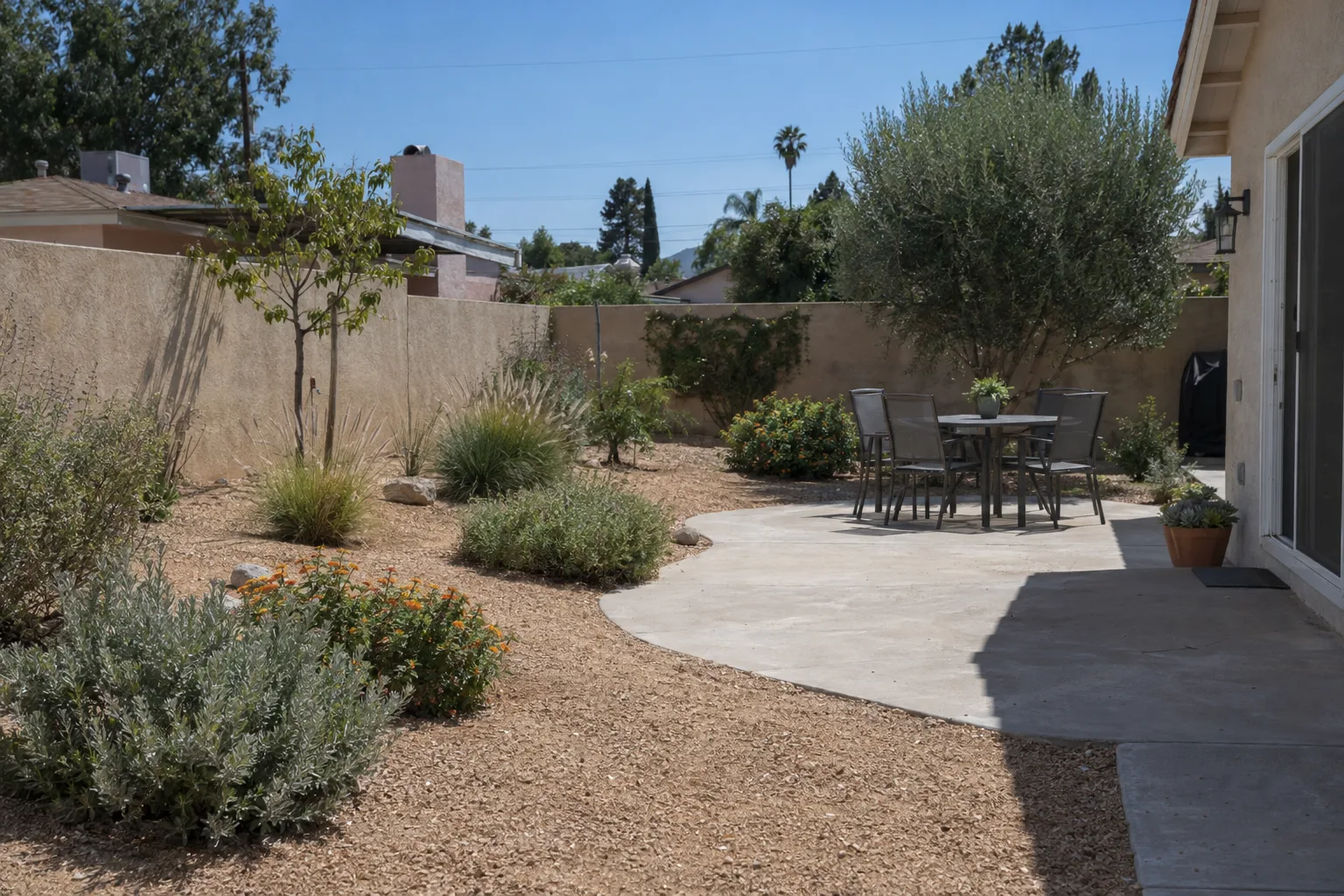
The San Fernando Valley regularly hits 100°F-plus in summer, and that heat changes what works in a yard. Inland from the coast, the Valley gets almost no marine layer cooling. Ground temperatures in direct sun can run 20 to 30 degrees higher than air temperature, which matters for sod selection, mulch depth, and irrigation scheduling. What performs well in Santa Monica often burns out in Reseda or Canoga Park by July.
Learn more about smart irrigation controller Los Angeles in Culver City
Soil across the Valley tends toward clay-heavy profiles, particularly in older neighborhoods like Van Nuys and Panorama City. That clay retains moisture poorly in summer and compacts hard after dry spells, so aeration and soil amendment are not optional extras - they directly determine whether a lawn survives through August. We test and amend before we plant.
Learn more about sod installation Los Angeles in Santa Monica
Water scheduling in the Valley also operates under LADWP restrictions. Since 2022, most residential properties in the LADWP service area have been limited to two watering days per week during warm months. Designing an irrigation system that actually keeps a yard healthy under those constraints requires pressure-compensating emitters, smart controllers with ET-based scheduling, and plant choices that match the schedule rather than fight it. We factor all of that in before spec'ing a single head.
Our Tarzana location puts crews within easy reach of properties from Woodland Hills west through Chatsworth, north into Granada Hills and Porter Ranch, and east through Burbank and North Hollywood. We know the soil variation between a hillside lot above Encino and a flat residential block in Van Nuys, and we plan accordingly. For more on how microclimates shift across the region, see our Los Angeles landscaping microclimates guide.
How We Approached a North Hollywood Backyard Rebuild
We took on a full backyard renovation in North Hollywood a few years back that shows what Valley landscaping problems actually look like on the ground.
The homeowner had Bermuda grass throughout the backyard. It had gone dormant and patchy, partly from inconsistent watering and partly from a drip system that hadn't been maintained in three seasons. There were two mature liquid amber trees casting significant shade over the northwest corner, and the existing concrete patio had no drainage slope - water pooled after any significant rain event. The homeowner wanted low maintenance, something that wouldn't require watering every day in August to stay alive.
We started with the irrigation system. The existing pop-up heads were replaced with a drip and bubbler layout matched to the new planting plan. We installed a smart controller with ET-based scheduling, which adjusts run times automatically based on local evapotranspiration data rather than a fixed timer. That alone typically reduces water use considerably compared to conventional timer-only systems.
The turf came out entirely on the sunny two-thirds of the yard. We replaced it with a decomposed granite base layer, three inches deep, with a stabilizer compacted in. Native and drought-adapted plantings went in around the perimeter: Cleveland sage, lantana, and a row of Mexican feather grass along the back fence. Under the liquid amber trees, where soil compaction was severe, we brought in a wood chip mulch layer and planted shade-tolerant native groundcovers rather than trying to establish turf that would never survive there anyway.
The patio concrete was broken out and replaced with permeable pavers graded with a two-percent slope toward a French drain along the east fence. No more pooling. That homeowner now waters twice a week at the LADWP maximum and the yard holds up through the whole summer.
Planning the Landscape Before the First Shovel
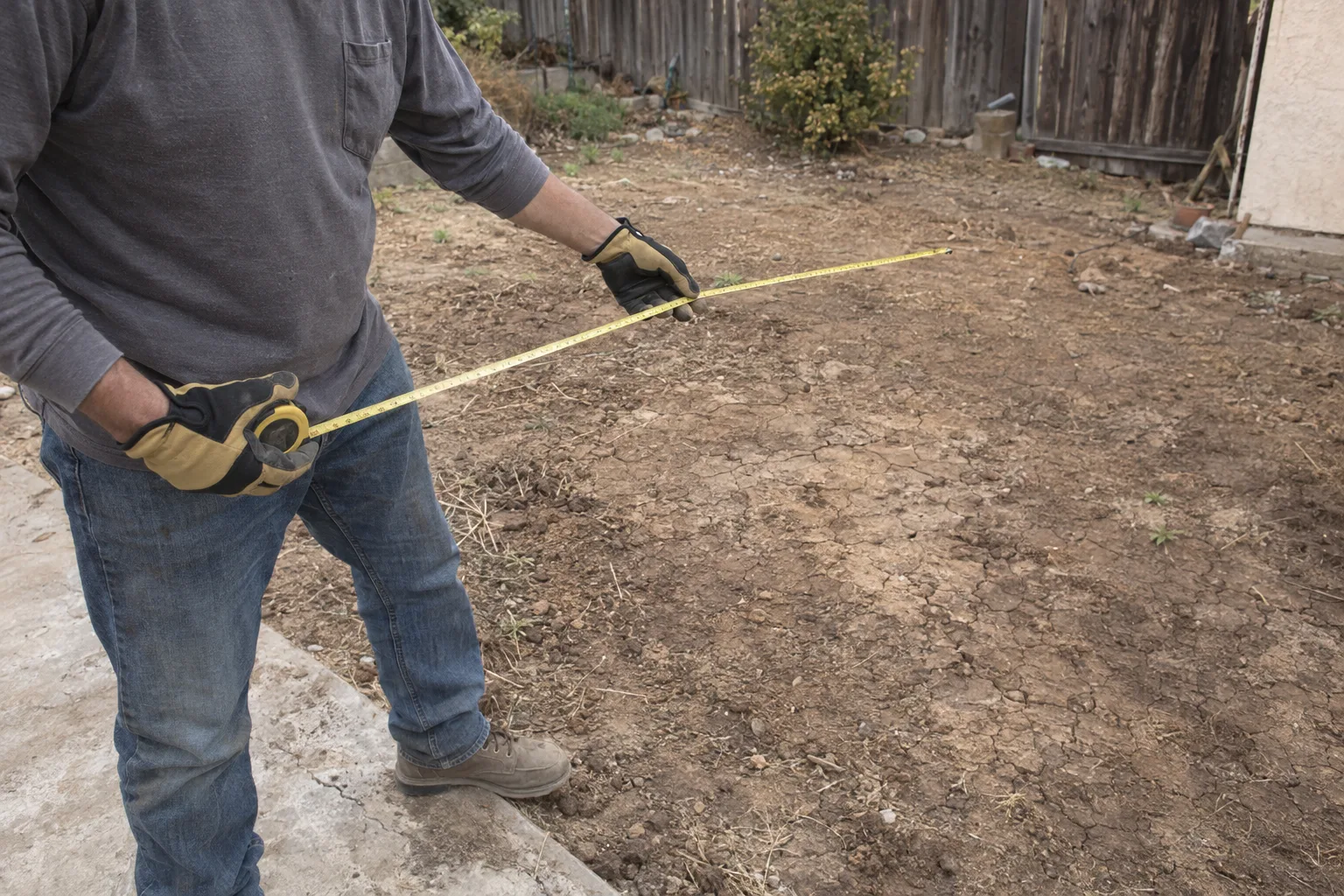
Getting the design right before work starts saves time, money, and replanting down the road. Every project we take on begins with a free property walkthrough. We look at sun exposure, soil condition, existing irrigation, drainage patterns, and how the space is actually used. That walkthrough determines the plant list, the hardscape layout, and the irrigation spec before we write a quote.
Many Valley homeowners come to us mid-problem: a lawn that won't recover, an irrigation system that's been running off a broken schedule for years, or a backyard that floods against the house foundation every wet winter. We can diagnose those situations and fix them, but the cleaner path is always a full plan from the start. If you want to understand what a typical project costs before we walk the property, our San Fernando Valley landscaping cost guide gives you real numbers to work from.
We also flag issues that affect the quote but that clients don't always see coming: clay soil that needs amendment before sod will establish, irrigation pressure problems caused by aging LADWP supply lines, or grade issues that will redirect drainage toward a foundation if hardscape goes in without accounting for them. We tell you that upfront, not mid-project.
50+ communities served across Greater Los Angeles
Licensed and insured landscaping contractor, working the Valley since 2015
Our San Fernando Valley Landscaping Standards
Every service we deliver is designed for Valley conditions, not generic Southern California assumptions.
Drought-tolerant and native planting
We select plants that match the Valley's heat profile and LADWP watering schedule: California natives, Mediterranean-climate species, and drought-adapted ornamentals that look good without daily irrigation. Avoiding common native planting mistakes starts at the design stage, not after the plants are in the ground.
Smart irrigation installation
We install pressure-compensating drip systems and ET-based smart controllers that adjust to real weather data. That means your system runs less when it rained last Tuesday and more when a heat event pushes ET rates up - without you touching the timer.
Sod and turf selection for the Valley
Bermuda and tall fescue are the two most common Valley turf types, and they perform very differently. Bermuda handles full Valley sun and heat well but goes dormant in winter. Tall fescue stays green year-round but needs more water in summer. We match the grass type to your sun exposure, water budget, and use patterns before we lay a single roll.
Hardscape and patio installation
Pavers, concrete, decomposed granite, and retaining walls all get designed with Valley drainage conditions in mind. Flat Valley lots often have minimal natural slope, so patio grading and French drains are part of every hardscape plan, not an afterthought.
Fire-safe landscaping
Properties in hillside zones above Chatsworth, Granada Hills, and the Santa Susana Pass area fall under LA County defensible space requirements. We clear Zone 1 and Zone 2 vegetation to CAL FIRE standards and replant with fire-resistant species that still look like a maintained yard.
Commercial and HOA landscape management
We manage ongoing maintenance programs for commercial properties, apartment complexes, and HOA common areas throughout the Valley. Same crew every visit, monthly service reports, and a single point of contact for all maintenance decisions.
Soil amendment and aeration
Clay-heavy Valley soil needs amendment before new planting will establish properly. We test, aerate, and incorporate compost or gypsum as the soil profile requires. Skipping this step is the most common reason new lawns fail in Van Nuys and Reseda-area properties.
How We Design and Install Your Landscape
Our process runs from an initial walkthrough through final inspection, with the homeowner informed at every stage.
Free Property Walkthrough
We start by walking the property with you. We look at soil condition, irrigation infrastructure, sun exposure, drainage, and how you actually use the outdoor space. We note which existing plants are worth keeping, what needs to come out, and where grade issues could cause problems if left unaddressed. This walkthrough is free and carries no obligation. For properties with an existing pool or outdoor kitchen, we plan landscaping zones around those features from the beginning so hardscape and planting work together.
If you have questions about what a comparable scope costs before the walkthrough, our landscaping company Los Angeles cost guide gives you realistic ranges to reference.
Design and Quote
After the walkthrough, we put together a written plan covering plant selection, irrigation layout, hardscape scope, and any soil prep work required. The quote is itemized so you can see what each component costs and make decisions based on your budget. We don't package everything into a single number and hope you don't ask questions.
Plant selection is specific to your lot's sun exposure and water budget. A shaded north-facing side yard in Encino gets a different plant list than a full-sun south-facing backyard in Reseda, even if the two properties are three miles apart. We tell you what we're planting and why before work starts.
Installation
Soil prep comes first: amendment, aeration, and grading. Irrigation infrastructure goes in next, before any planting or hardscape surface work, so we're not cutting through finished surfaces to run lines. Hardscape and planting follow in the sequence that protects completed work. Final irrigation testing and controller programming happen at the end, with run times set to the current LADWP watering schedule for your address.
Walkthrough and Handoff
We walk the finished project with you before we leave. We show you how the irrigation controller works, what the watering schedule is set to, and what seasonal adjustments to expect. For ongoing maintenance clients, the same crew that installed the landscape handles the monthly service visits. You can verify our California contractor license status at any time through the CSLB consumer verification tool before any work begins.
Landscaping Across the San Fernando Valley
We serve residential, commercial, and HOA properties throughout the Valley and Greater Los Angeles.
Our crews cover the full San Fernando Valley from Woodland Hills and Calabasas in the west through Burbank and North Hollywood in the east, and from Chatsworth and Granada Hills in the north through Sherman Oaks and Studio City along the 101 corridor. We also serve the broader Greater Los Angeles area including Beverly Hills, Glendale, Pasadena, the South Bay, and communities in Ventura County, Orange County, and the Inland Empire. If you're in our service area, we have a crew nearby.
For specific service details in neighboring areas, see our pages on landscaping in Glendale and poolscape landscaping in Pasadena.
Frequently Asked Questions
What grass type works best in the San Fernando Valley?
Bermuda grass handles Valley heat and full sun well and is water-efficient once established, but it goes dormant and browns in winter. Tall fescue stays green year-round but uses more water in summer. The right choice depends on your sun exposure, water budget, and whether winter color matters. We walk through the trade-offs during the site visit before recommending anything.
How does LADWP's watering schedule affect my landscaping plan?
LADWP restricts most residential properties to two designated watering days per week during warm months. That constraint directly shapes plant selection and irrigation design. We spec drought-tolerant species and ET-based smart controllers that make the most of those two days, rather than designing a system that only works on a daily schedule.
Do Valley properties need defensible space clearance?
Properties in high fire hazard severity zones, which includes hillside areas above Chatsworth, Granada Hills, and parts of the Santa Susana corridor, are required to maintain Zone 1 and Zone 2 defensible space clearance under LA County and CAL FIRE standards. We handle the clearance work and can replant with fire-resistant species that still meet the standard for a maintained landscape.
Can you fix an existing yard that's struggling, or only do full installs?
Both. We handle full-property renovations and targeted repairs: a failed irrigation system, a lawn that won't recover after summer, drainage issues, or a planting area that needs replanting after old turf removal. We start with a free walkthrough to assess what's actually causing the problem before recommending any work.
What areas of the Valley do you serve?
We cover the full San Fernando Valley including Woodland Hills, Tarzana, Encino, Sherman Oaks, Van Nuys, North Hollywood, Burbank, Chatsworth, Granada Hills, Porter Ranch, and Canoga Park. Our Tarzana location handles Valley projects directly, with crews dispatched across the area daily.
Ready to Get Your Valley Property in Shape?
The Landscapers LA has been working San Fernando Valley properties since 2015. Licensed and insured, with crews based in Tarzana and covering 50+ communities across Greater Los Angeles. We walk the property, assess what's actually going on, and give you a straight quote with no pressure to sign on the spot.
Call us or fill out the form to schedule your free walkthrough. We'll show you exactly what the plan looks like before any work begins.
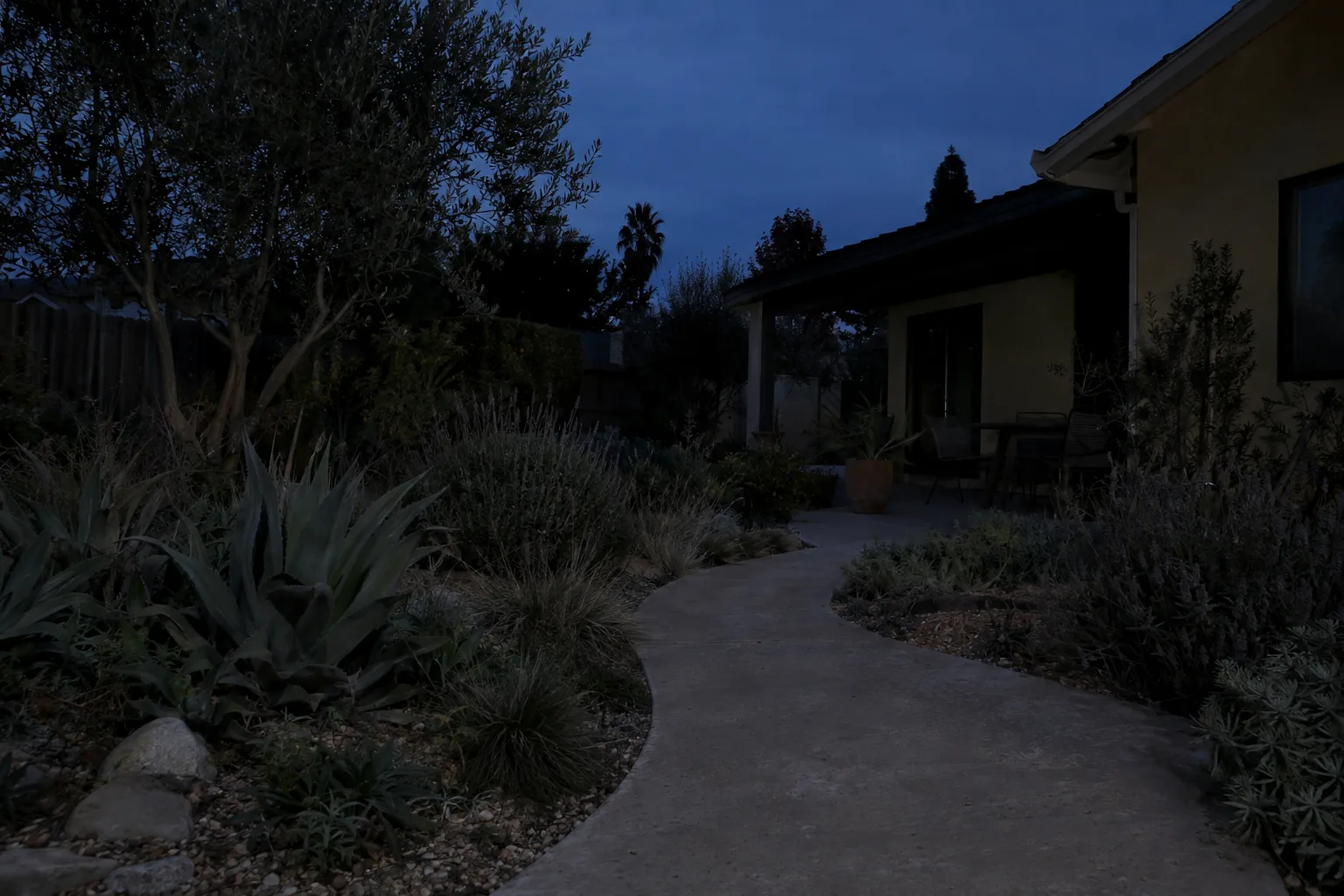
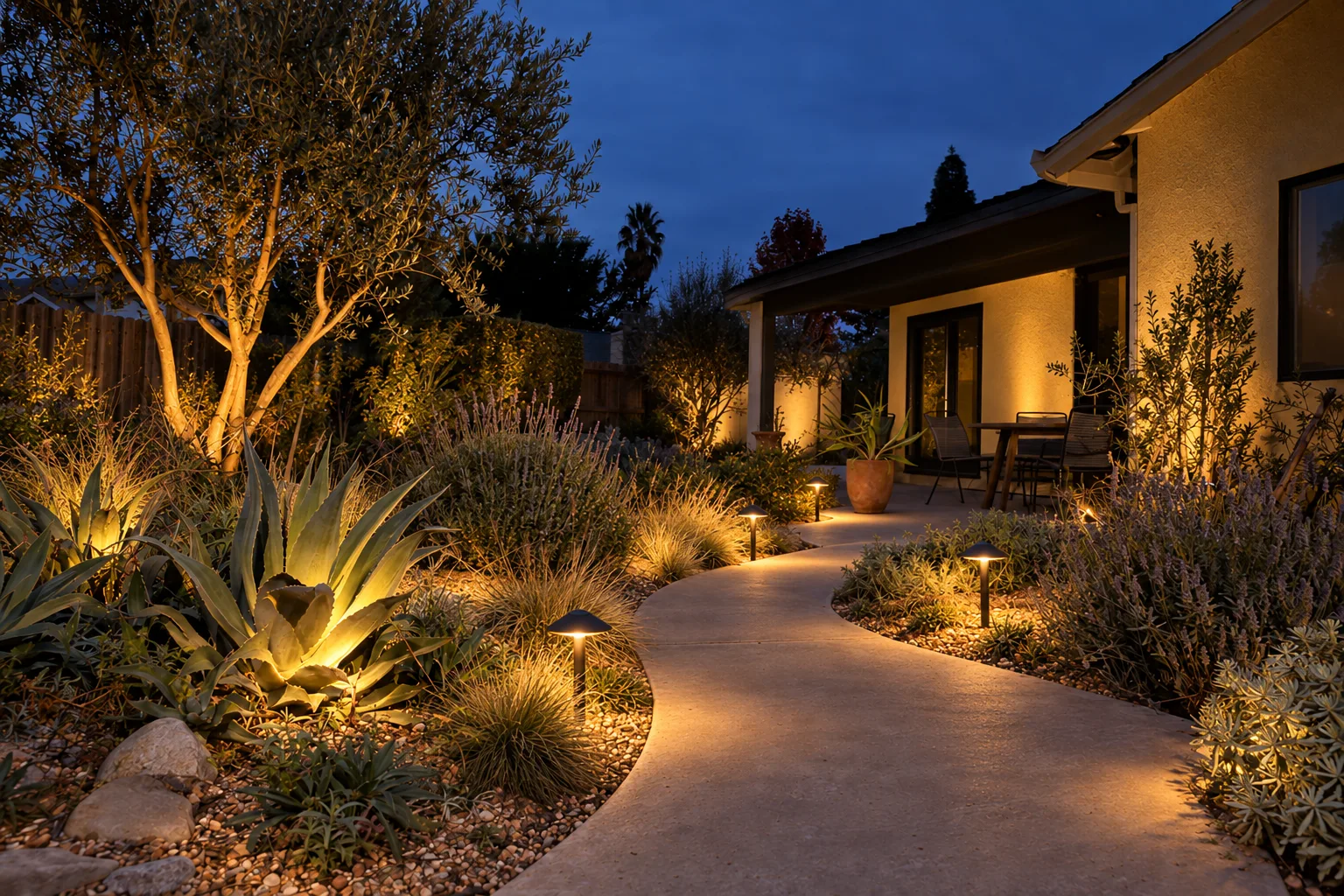
Before and after
Get a free, no-pressure quote
We walk the property, talk through options, and put a real number on paper.
From our blog
Straight answers on what things cost, which rebates you qualify for, and why your lawn is doing that.
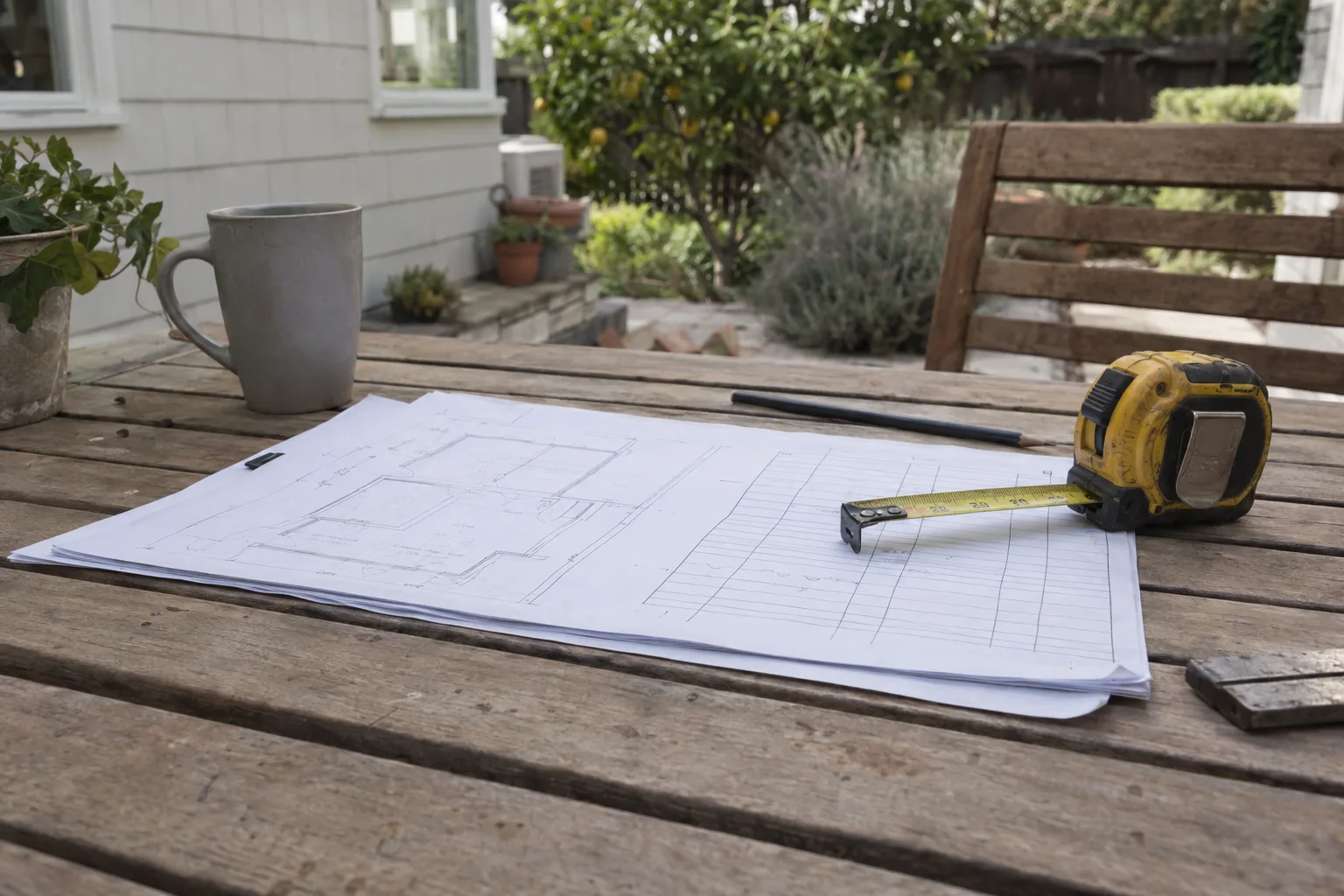
How Much Does San Fernando Valley Landscaping Cost? Real Numbers
Real price ranges for lawn care, irrigation, hardscape, turf removal, and drought-tolerant installs in the San Fernando Valley, plus what moves the number on a quote.
Read the guide
Native Plant Landscaping Los Angeles: Common Mistakes to Avoid
What goes wrong when native plants fail in LA yards, and how to avoid the most common installation and plant selection errors before they cost you a replant.
Read the guide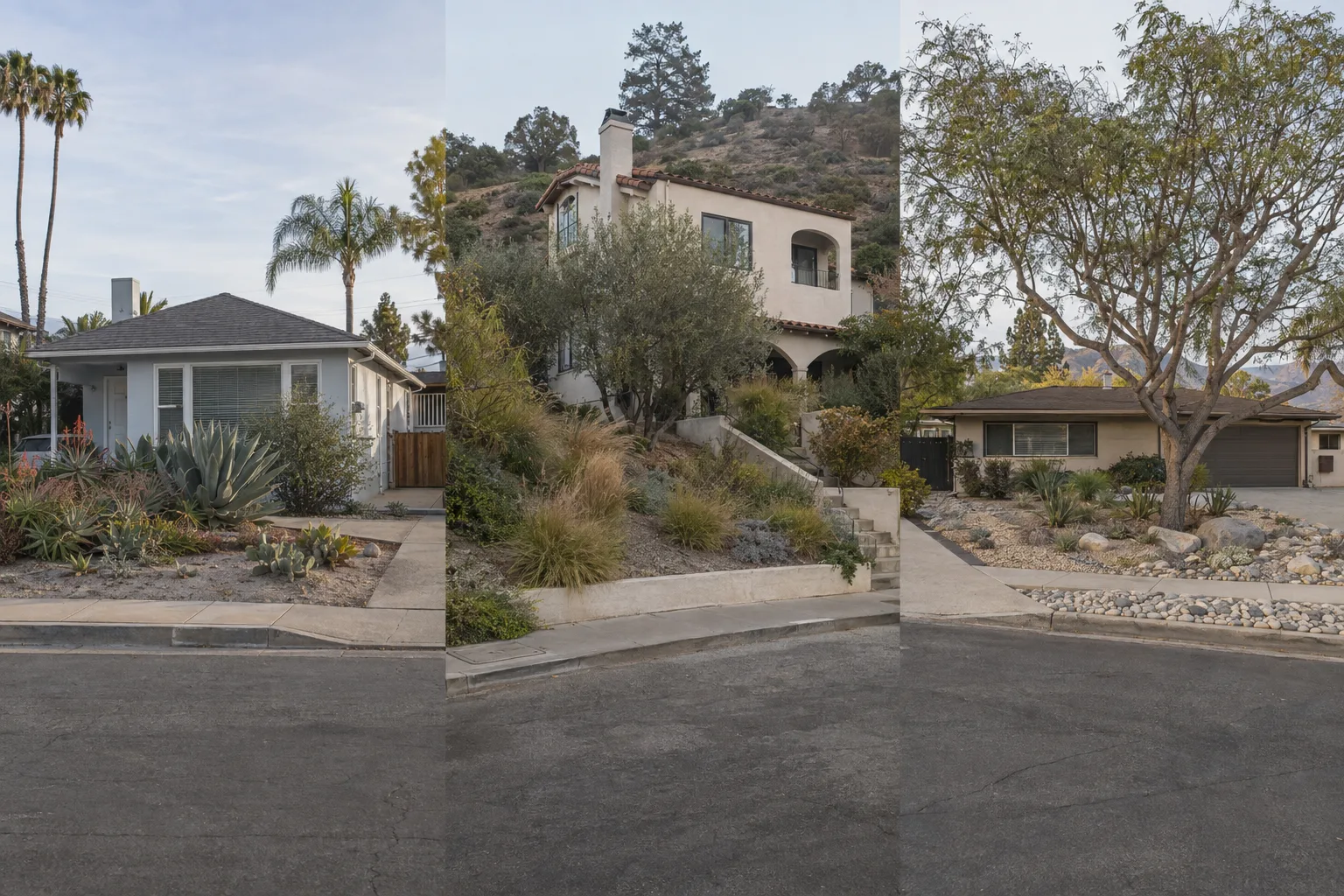
Los Angeles Landscaping Microclimates
How conditions differ across coastal, valley, hillside, and inland properties in Greater LA, and what that means for plant selection, irrigation, and soil prep.
Read the guide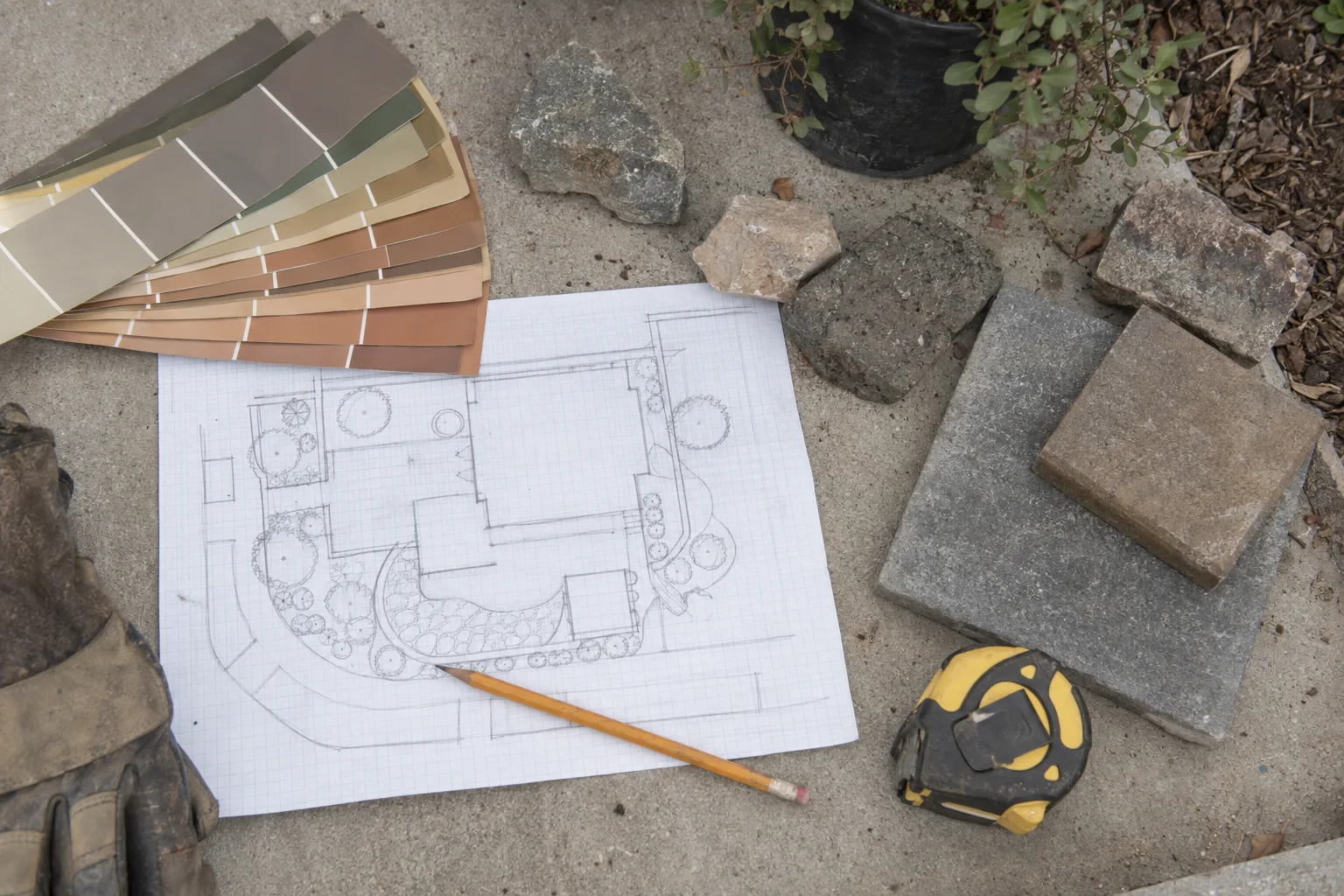
How Much Does a Landscaping Company in Los Angeles Cost? Real Numbers
What landscaping companies in Los Angeles actually charge across common services, and what factors move the quote up or down before you commit to any work.
Read the guide